Museums, heritage and visitor centres
Museum model makers for permanent exhibitions and heritage sites
We are museum model makers working with curators, exhibition designers and heritage teams on historically accurate scale models, dioramas and tactile pieces built for years of public display.
- Research checked with your curators at every stage
- Tactile versions with braille and large print
- Bespoke crating, shipping and installation
01Who we work with
Museum model makers who start from the evidence
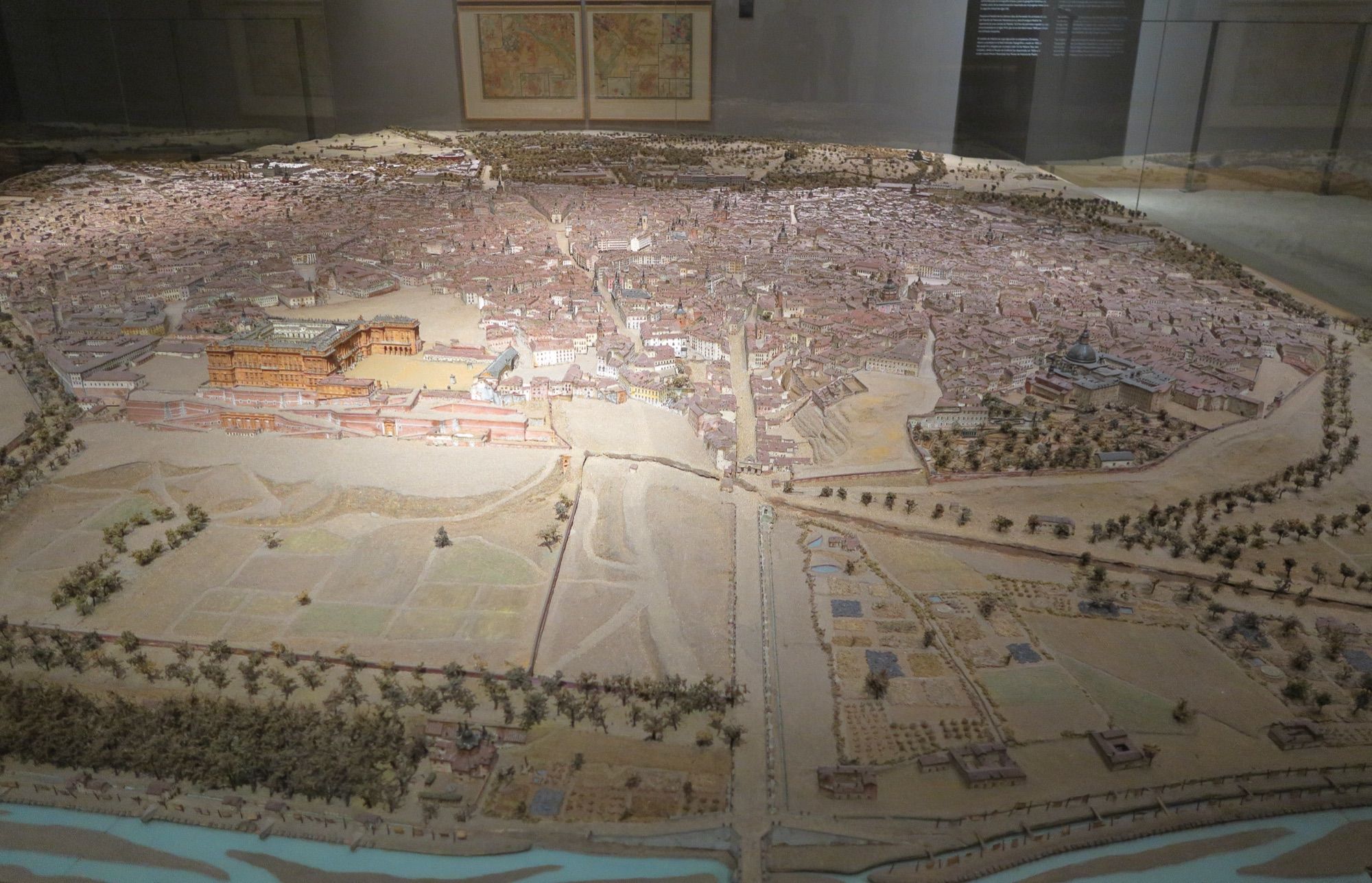
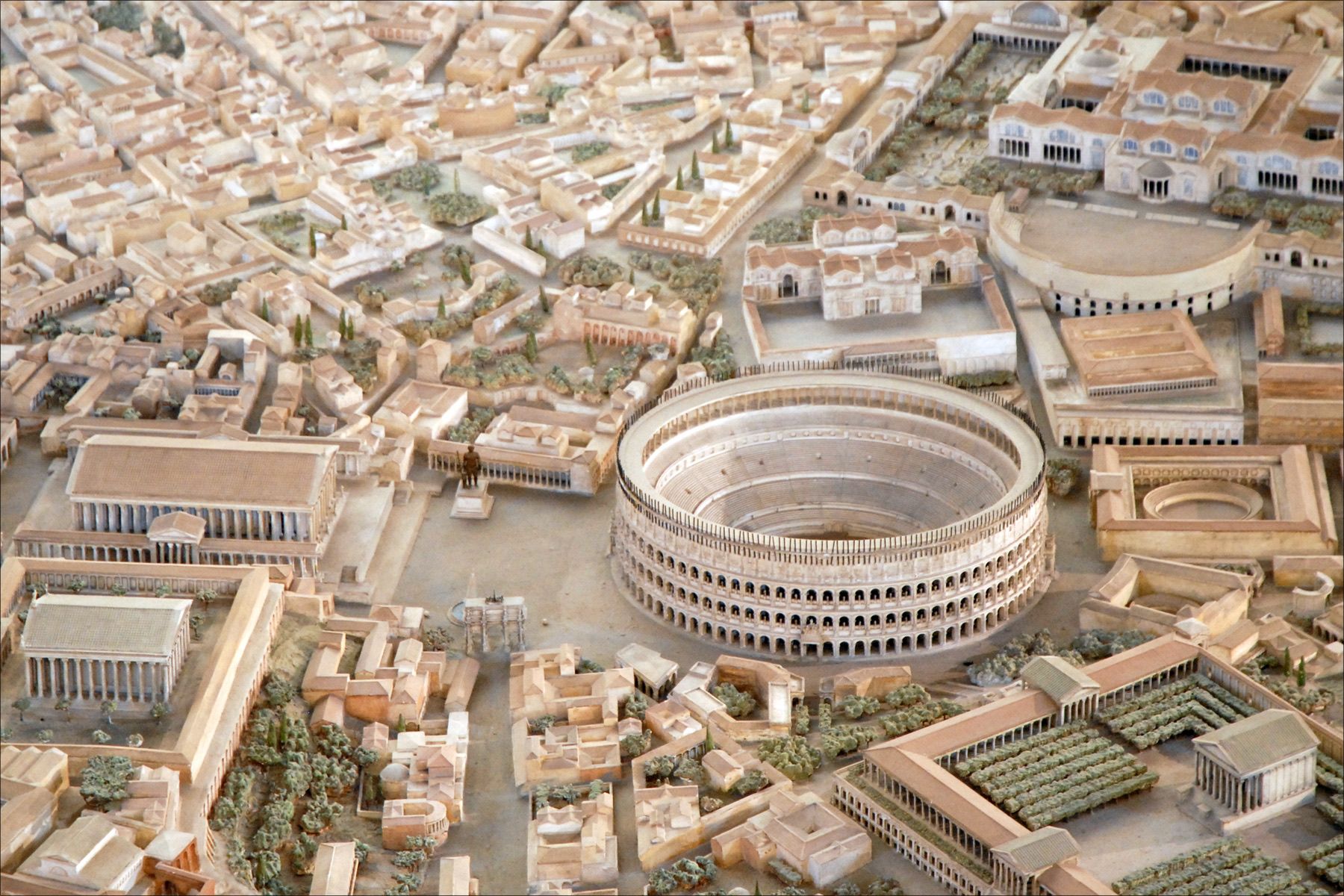
A model earns its place in a gallery when the story is hard to tell with objects alone: a town that no longer exists, a site known only from its foundations, a cathedral that took two centuries to finish. Done well, it makes that story legible at a glance and gives visitors a reason to stop.
Every piece is made in our Madrid workshop, which also builds bespoke models for architects, developers and industry. We combine laser cutting, CNC milling and 3D printing with hand finishing, and work with curators and collections teams, museum designers, fit-out contractors, heritage trusts, local authorities and archaeology units.
Preparing a tender? We can supply a technical specification (scale, dimensions, materials, lead time and installation) to include in your submission.
- Historical rigour: every element traced to a source, with gaps flagged rather than guessed.
- Built to last: stable materials and concealed fixings.
- Accessible: tactile versions designed for touch tours.
02What we make
Museum models for galleries, heritage sites and visitor centres
03Dioramas
Museum dioramas and historical scenes
A diorama places visitors in a single moment: a medieval market, a mine gallery, a wetland at dawn. We build bespoke dioramas with sculpted terrain, scale figures and planting, lit to suit the gallery and set at a height that works for adults and children.
Each scene is planned with your curators (who is doing what, what they wear, which tools they hold) so the label matches what visitors see. Custom dioramas can be a tabletop vignette or run the length of a gallery wall.
- LED lighting, from daylight to firelight
- Acrylic case to keep dust off the scene
- Figures and fine details 3D printed in resin and painted by hand
04Accessibility
Tactile models for blind and partially sighted visitors
Most models built to be looked at make poor tactile ones: too much fine detail, no obvious starting point, parts that snap off. For touch tours and handling points, we design for hands from the outset:
- Simplify without distorting, keeping what helps people find their way: streets, heights, entrances.
- Give each element its own texture, from water to historic phases, with a braille and large-print key.
- Build in a reading order, with a clear starting point.
- Design for daily handling: uncased, at a comfortable height, with no loose parts or sharp edges.
- Add audio description if you want it, scripted with your learning team.
Before the final build, we can make a texture sample for you to test with blind and partially sighted visitors, or with the access advisory group your museum already consults.
05Long-term display
Built for long-term public display
Museum display models spend years under gallery lighting, within arm's reach of thousands of visitors. We plan for that from day one.
- Light-stable finishes
- Paints, lacquers and materials chosen to stand up to years of gallery lighting, with LEDs that give off little heat.
- Public safety
- No sharp edges or small loose parts within reach, secure fixings and stable bases.
- Easy maintenance
- Access panels for the lighting and a care sheet for your collections team.
- Ready to update
- We can build the model in sections, so new research can be reflected without remaking the whole piece.
06How we work
From brief to gallery in five stages
As museum model makers, we treat your curators' sign-off as part of the build, not an afterthought.
- 01
Brief
We meet your curators, archaeologists or exhibition designer to agree the interpretation brief, where the model will sit and whether visitors may touch it.
- 02
Research
We gather plans, surveys, engravings and reconstruction hypotheses, and list any gaps for your specialists to resolve.
- 03
CAD and quote
You review the piece on screen, and we fix scale, size, materials, lead time and price.
- 04
Making and sign-off
Laser cutting, CNC milling, 3D printing and hand finishing, with staged reviews and texture samples.
- 05
Crating and installation
Bespoke crating, transport and installation, with the case and lighting tested before opening.
07Specifications
Scales, materials, lead times and price
| Scale | Typical use |
|---|---|
| 1:5000 – 1:1000 | Landscapes and historic estates |
| 1:500 | Historic towns and large archaeological sites |
| 1:200 | A monument with its setting |
| 1:100 | A building with façade detail |
| 1:50 – 1:20 | Interiors and construction detail |
| 1:10 – 1:1 or larger | Objects and architectural fragments |
Materials
- MDF, birch plywood, lime and balsa wood
- Clear, opal and coloured acrylic (PMMA)
- Foamed PVC, cork and greyboard
- Resin (SLA) and PLA/PETG (FDM)
- Brass and photo-etched parts
Finishes
- Paint, lacquer and natural timber
- Scale figures, planting and vehicles
- Zoned LED lighting
- Acrylic case and base with title plaque
Accessibility
- Raised relief and distinct textures
- High-contrast colour
- Braille and large-print labels
Lead times and price
- Quote reply within 1–2 working days
- Large-format models: 4–10 weeks
- Quoted per project, typically €3,000–€30,000 (excl. VAT)
09FAQ
Questions from curators and exhibition designers
A three-dimensional scene that places figures, objects and landscape in front of a painted or printed backdrop to recreate a moment in time, such as a Bronze Age settlement or a natural habitat. Museum dioramas are built around an interpretation brief and checked against the research.
Museum pieces are quoted per project and typically cost €3,000–€30,000 (excl. VAT). Scale, detail, materials, lighting, a tactile version, deadline and shipping all affect the figure. See indicative prices for every type of model.
Yes, if they are designed for it. We use solid resin, birch plywood, brass and lacquered finishes, pin or screw parts as well as gluing them, and avoid thin projecting details. Surfaces are sealed so they can be wiped down every day.
Yes, and it is often the best starting point. We accept DWG/DXF, PDF, Revit (RVT), IFC, SketchUp (SKP), Rhino (3DM), ArchiCAD (PLN) and STL/OBJ/STEP, plus sketches and photographs, and agree case sizes and plinth heights with the designer. Send files through our quote form.
Large-format gallery pieces usually take 4–10 weeks once the research is agreed, depending on size, detail and the number of review stages. We reply to quote requests within 1–2 working days. Give us your opening date at the outset and we will work back from it.
Yes, on request. Shipping to the UK, the rest of Europe and further afield is arranged case by case, and we can travel to install the model on site. Within Spain we ship nationwide in bespoke packaging, with wooden crates for large pieces, and from our workshop in Madrid we deliver and install across the region ourselves.
It depends on the space and what visitors need to read. As a guide, 1:500 suits a historic town or large archaeological site, 1:200–1:100 a monument with its setting, and 1:50–1:20 an interior. Pieces meant for touch often go larger.
Planning a new gallery or preparing a tender?
Send us your brief, drawings or research. We will reply within 1–2 working days with a proposed scale, materials, lead time and quote.
10Other services